

We read the peer-reviewed studies on children's nutrition, gut health and behavior, break down the actual mechanisms, and tell you what the evidence means at your kitchen table. Every claim has a source. Every product is measured against the same criteria.

 Most read
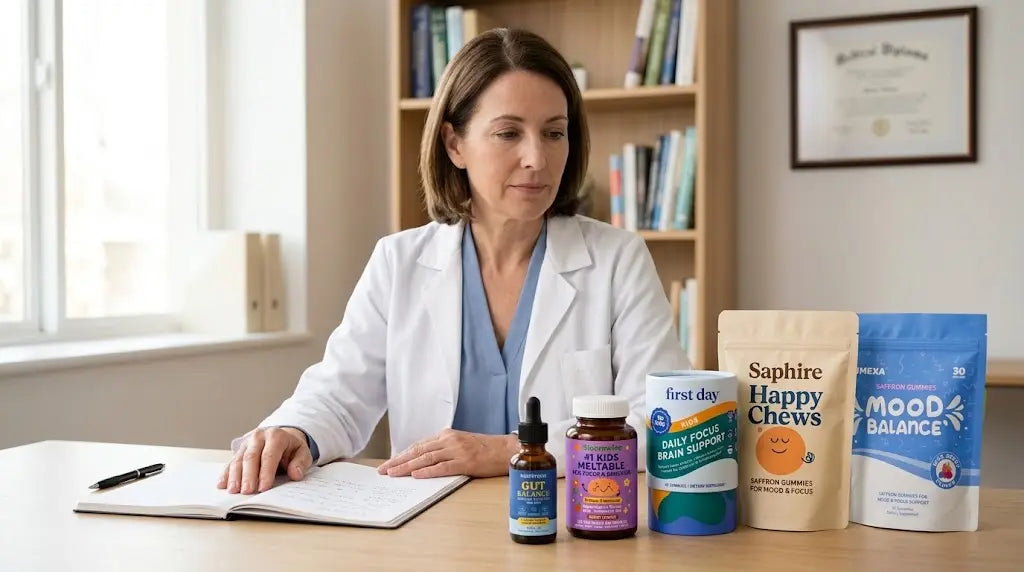
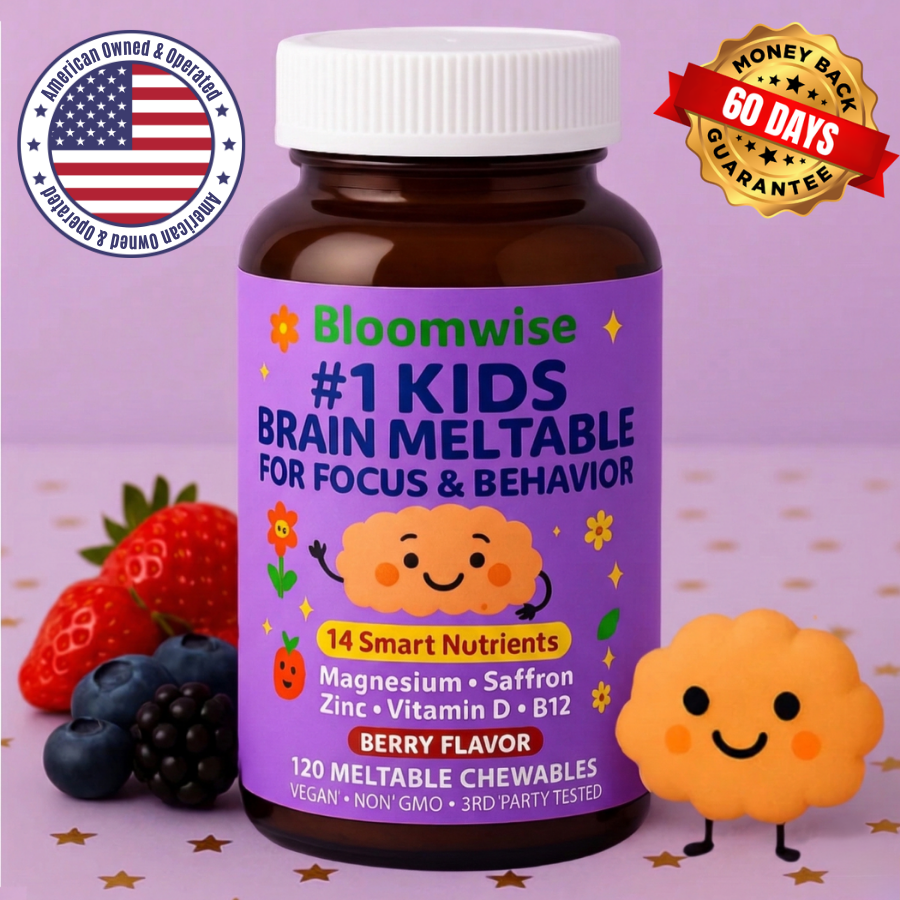
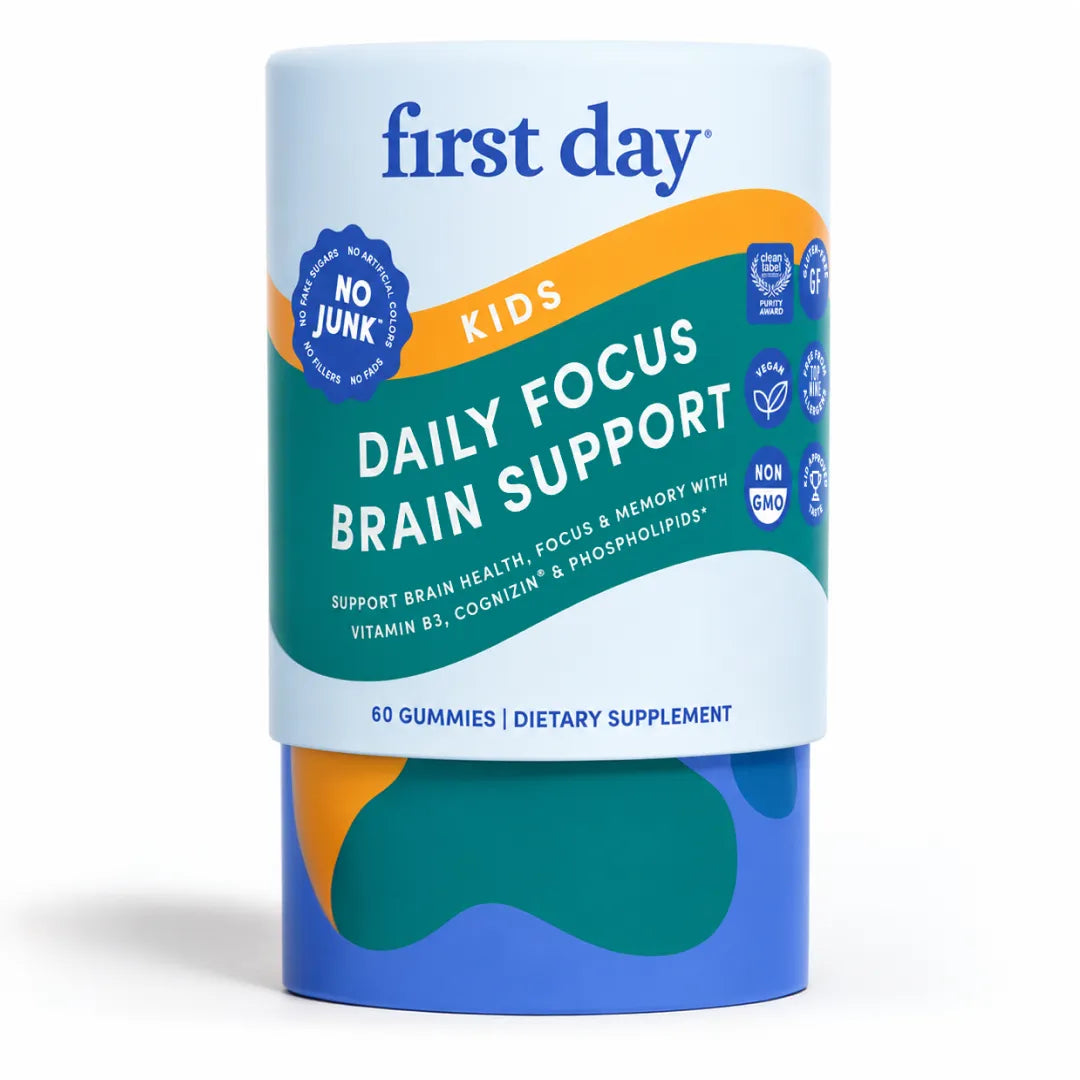
Five products, five fixed criteria, one that reaches the gut. Our most-read review this month.
Read the review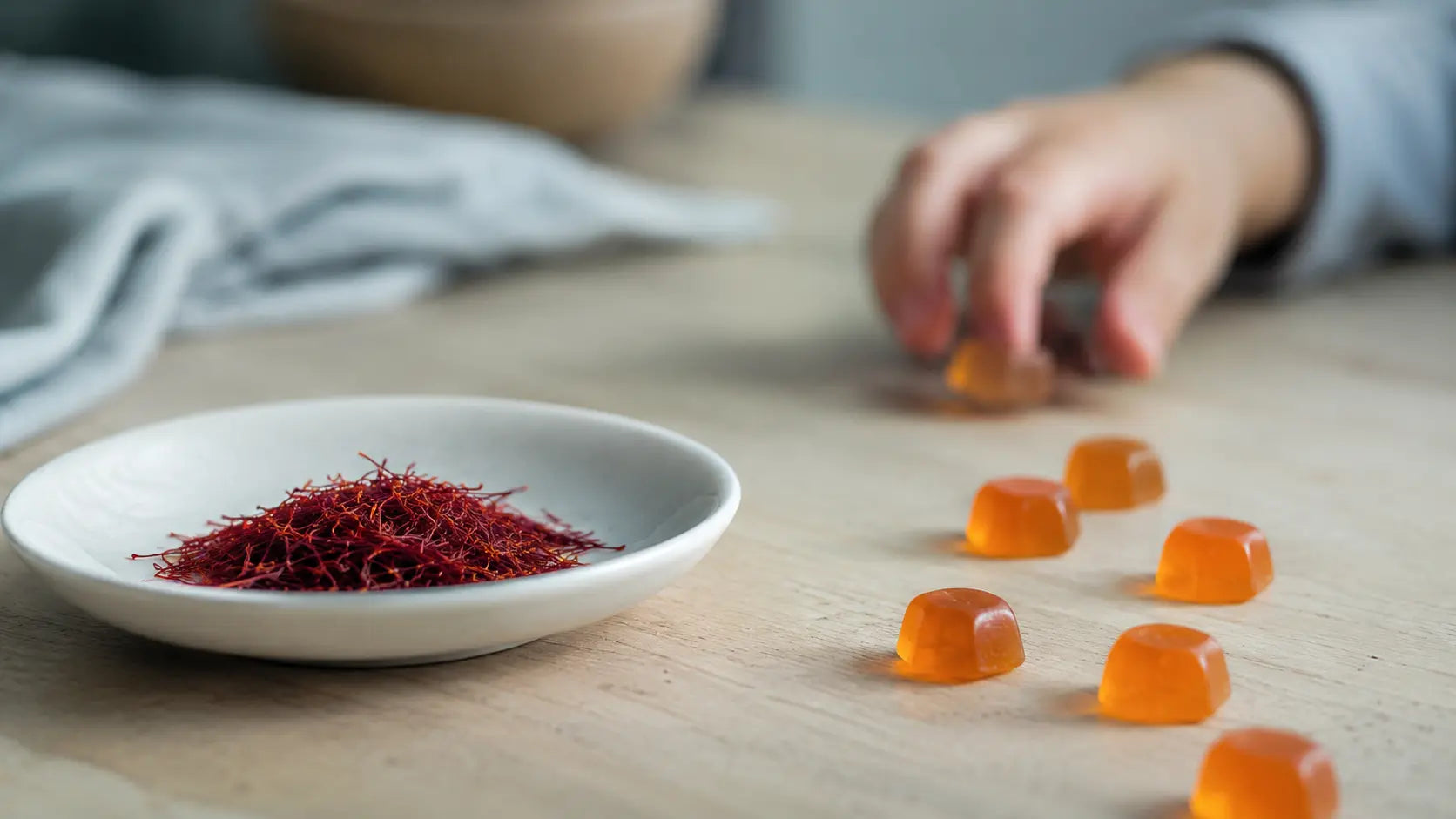
The trials are real, and so are the parents who saw nothing after months. Why the same saffron gives three different results.
Read the research
Seven studies from the last four years, read one by one. What is measured, what is only an association, what has been tested.
Read the researchAlmost all of a child's serotonin, about 90%, is built in the lining of the gut, not in the brain. It is made by cells that turn one raw material, tryptophan, into the chemical that settles a child: sleep runs on it, appetite runs on it, getting told no without a forty-minute meltdown runs on it.
Study after study now finds that children with ADHD carry measurably less variety of bacteria in their gut than other kids. The most common reason is one nobody blames: antibiotics. What grows back after them is not what you wanted back, and the lining where everything a child eats is absorbed pays the price.
Read the research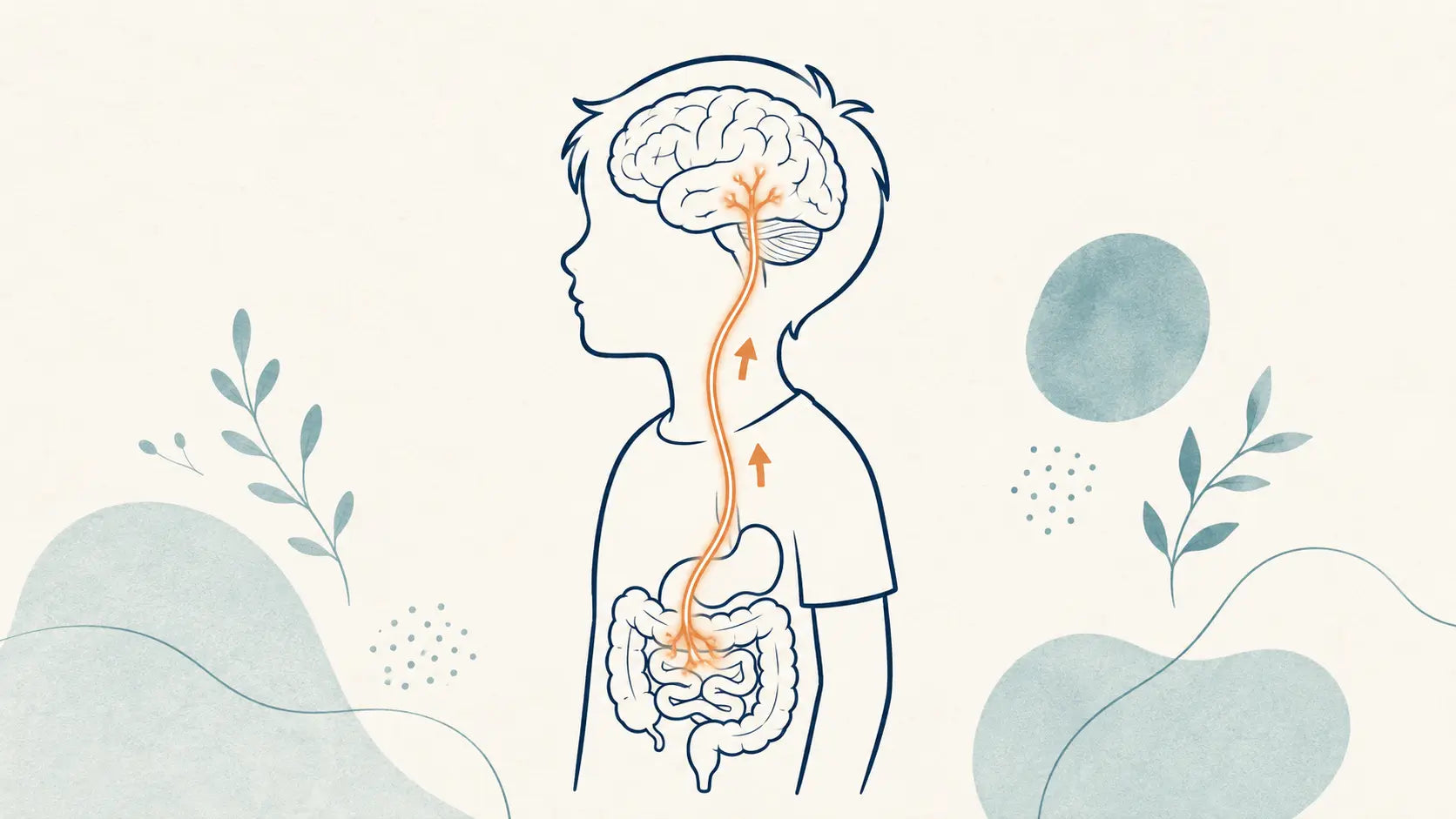
The microbiome, the gut lining, absorption, and how the gut talks to the brain.
ExploreWhat the research says about focus, meltdowns, appetite and sleep, beyond the prescription.
ExplorePicky eating, the minerals kids run short of, and what actually gets absorbed.
ExploreWhy a child can't shut off at night, and what the evidence supports.
ExploreThe five things to check before you buy another bottle: where it works, how it clears, what it carries, the format, and whether it repairs.
Read the guideThe studies behind saffron, magnesium and omega-3 are real. Here is the one thing every one of them takes for granted.
Read the guideThird-party sellers, marketplace listings and copycat labels. What to check before an order, and why the guarantee matters more than the price.
Read the guideEvery product is measured against the same five criteria, written before we opened a single bottle. Every score is explained, and every limitation is listed next to the strengths.
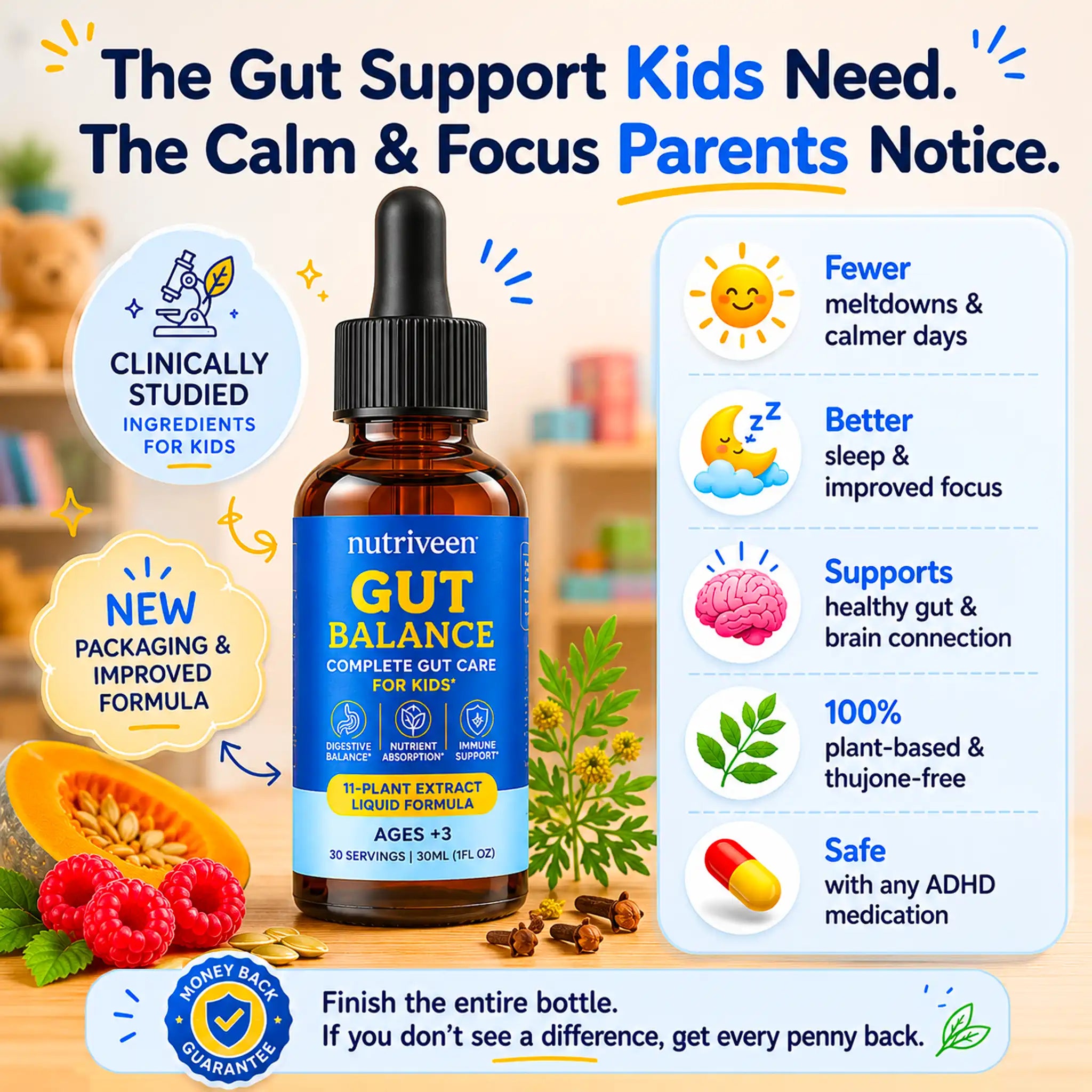
Dr. Ashcombe is a developmental pediatrician who has loved her job for eleven years, and a mother whose own son has ADHD. That is where this site started: with the questions she kept having to answer at home that nobody had answered in the exam room. She reads the studies, follows the mechanisms, and writes down what the evidence actually supports, so parents can tell the products that reach the child from the ones that stay in the bottle.
Full bioEvery claim links to a peer-reviewed source. Studies are cited, the method is explained, and preliminary evidence is flagged as preliminary.
Products are scored against criteria written before testing. The strengths and the limitations are listed side by side, for the winner too.
Dense clinical literature, translated into something you can read at the kitchen table while dinner is going cold. Without dumbing it down.
Independent reviews of children's nutrition and supplements, backed by peer-reviewed evidence. Written by Dr. Tessa Ashcombe.
The statements on this website have not been evaluated by the Food and Drug Administration. Products featured on this site are not intended to diagnose, treat, cure, or prevent any disease. Individual results may vary and are not guaranteed.
The content provided on this website is for informational and educational purposes only and is not intended to constitute medical advice. No doctor-patient relationship is created by the use of this site. Always seek the advice of a qualified healthcare professional with any questions you may have regarding a medical condition, treatment, or the use of any product.
Product reviews and rankings displayed on this website are compiled from a variety of sources, including publicly available information, third-party websites, and user-generated content. This website operates as an independent comparison platform and may receive compensation from companies featured on the site. Such compensation does not guarantee placement or ranking and does not influence our intent to provide informative content.